
Spam call law firms in Maryland combat growing concerns of unsolicited phone marketing calls that disrupt residents' lives. By understanding telecommunications regulations and federal laws like TCPA, these firms protect Marylanders from scammers and hold them accountable. Local police departments collaborate to track and prosecute spam rings using advanced technologies. Residents can protect themselves by registering on the Do Not Call list, using call-blocking apps, educating themselves about spam, reporting it, and collaborating with reputable spam call law firms.
In today’s digital age, Maryland residents are increasingly plagued by intrusive spam calls, posing a significant nuisance and potential security risk. This article delves into the multifaceted approach to tackling this growing concern. We explore the legal framework governing spam calls in Maryland, highlighting state laws and regulations designed to protect citizens. Additionally, we examine the crucial role of local law enforcement in investigating these incidents, while offering practical strategies for citizens to combat spam calls effectively, empowering them to take control over their communication channels through knowledgeable actions. For comprehensive guidance, consider consulting a spam call law firm Maryland to stay ahead of these relentless intruders.
Understanding Spam Calls: A Growing Concern in Maryland

Spam calls, or unsolicited telephone marketing calls, have become a growing concern in Maryland, much like in many other states across the nation. These nuisance calls often promote various products, services, or even fraudulent schemes, causing distress and annoyance to recipients. With advancements in technology, scammers can now use automated systems to make thousands of calls per day, making it challenging for local residents to distinguish legitimate calls from unwanted ones.
A spam call law firm in Maryland plays a crucial role in addressing this issue by providing expertise and legal recourse against such abusive practices. These firms assist individuals in understanding their rights as well as offer strategies to mitigate the impact of spam calls. By staying informed about relevant laws, they help residents navigate the complex landscape of telecommunications regulations, ensuring that their rights are protected and that perpetrators face consequences for their actions.
The Legal Framework: State Laws and Regulations Against Spam
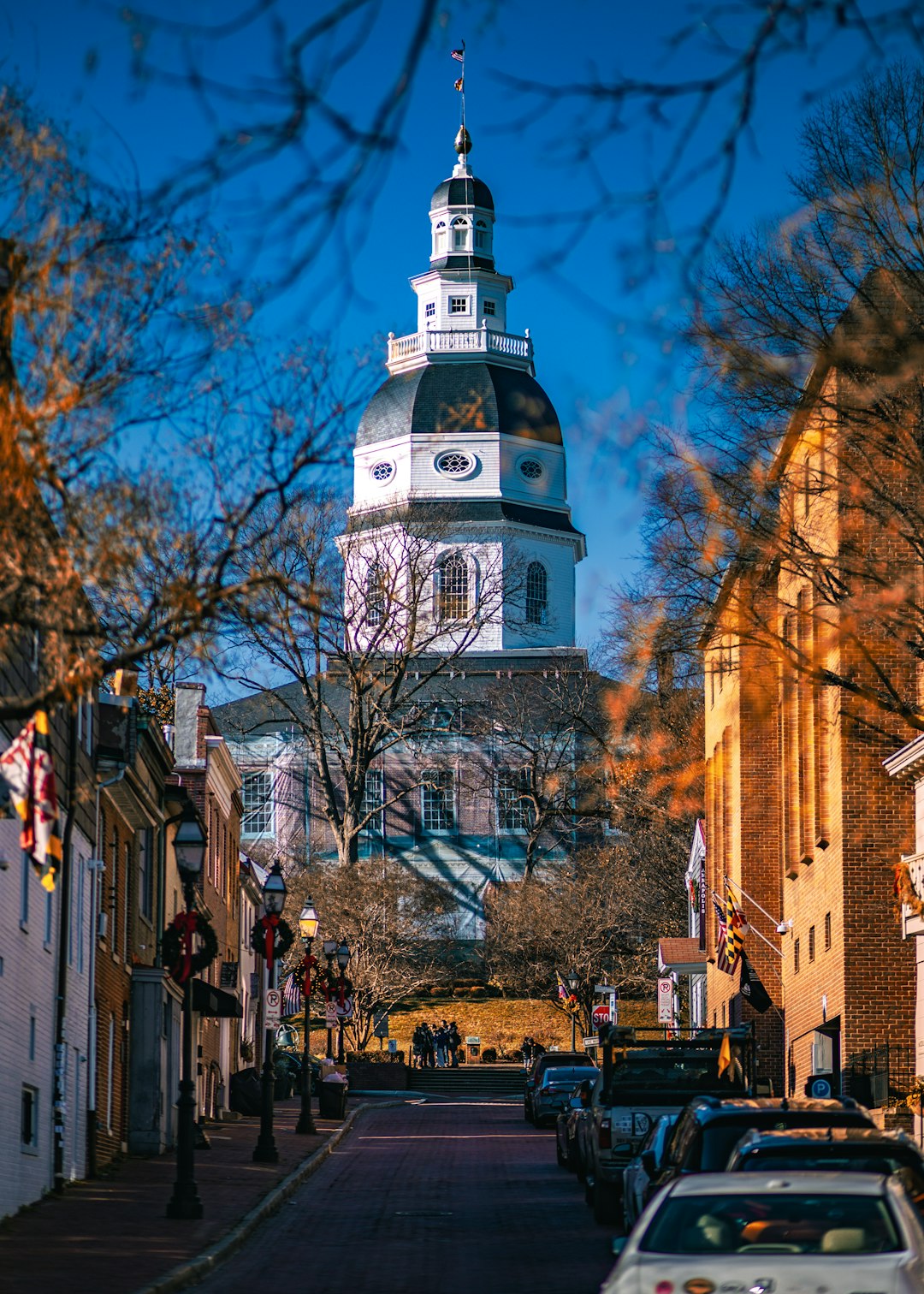
In Maryland, the fight against spam calls is supported by a robust legal framework designed to protect residents from unwanted and fraudulent communications. The state has implemented strict regulations that align with federal laws, such as the Telephone Consumer Protection Act (TCPA), which specifically targets telemarketing practices and gives consumers powerful tools to combat spam. Maryland’s law firm-focused approach includes provisions that make it illegal for businesses to make automated or prerecorded calls to consumers without prior express consent, ensuring residents’ privacy and peace of mind.
These laws empower local law enforcement agencies to take action against spam call operators, enabling them to investigate complaints, issue citations, and collaborate with prosecutors to secure charges. The state’s commitment to these anti-spam measures reflects a broader trend in the US to enhance consumer protections in the digital age, especially concerning privacy and unwanted communication.
Local Police Departments' Role in Investigating Spam Call Incidents

Local police departments play a pivotal role in investigating and addressing incidents related to spam calls in Maryland. When residents face persistent or malicious spam calls, reporting these activities to local law enforcement is a crucial step. Police have the authority and resources to launch investigations, track down the sources of these nuisance calls, and take appropriate legal action against offenders.
In many cases, local police collaborate with state authorities and telecommunications companies to combat spam call rings operating within Maryland or targeting its residents. By utilizing advanced technologies and tracking software, law enforcement agencies can identify patterns, trace phone numbers, and gather evidence to support legal proceedings against spam call law firms or individuals responsible for the invasions of privacy. This coordinated effort ensures that those behind the spam calls are held accountable, providing a sense of security and peace of mind for Maryland’s citizens.
Effective Strategies for Citizens to Combat Spam Calls

In the battle against spam calls, citizens in Maryland can play a significant role by adopting several effective strategies. One powerful tool is to register on the state’s official Do Not Call list, which filters out many unwanted calls. Additionally, using call-blocking apps and tools offered by leading Maryland spam call law firms can significantly reduce the volume of intrusive phone marketing attempts.
Another crucial step is to educate oneself about recognizing spam calls and understanding the legal rights to stop them. Reporting spam to telecommunications regulators and local law enforcement agencies is also beneficial, as it helps build a case for stricter regulation. Citizens are encouraged to collaborate with reputable spam call law firms in Maryland to collectively combat this growing nuisance, ensuring a safer and less disruptive communication environment.