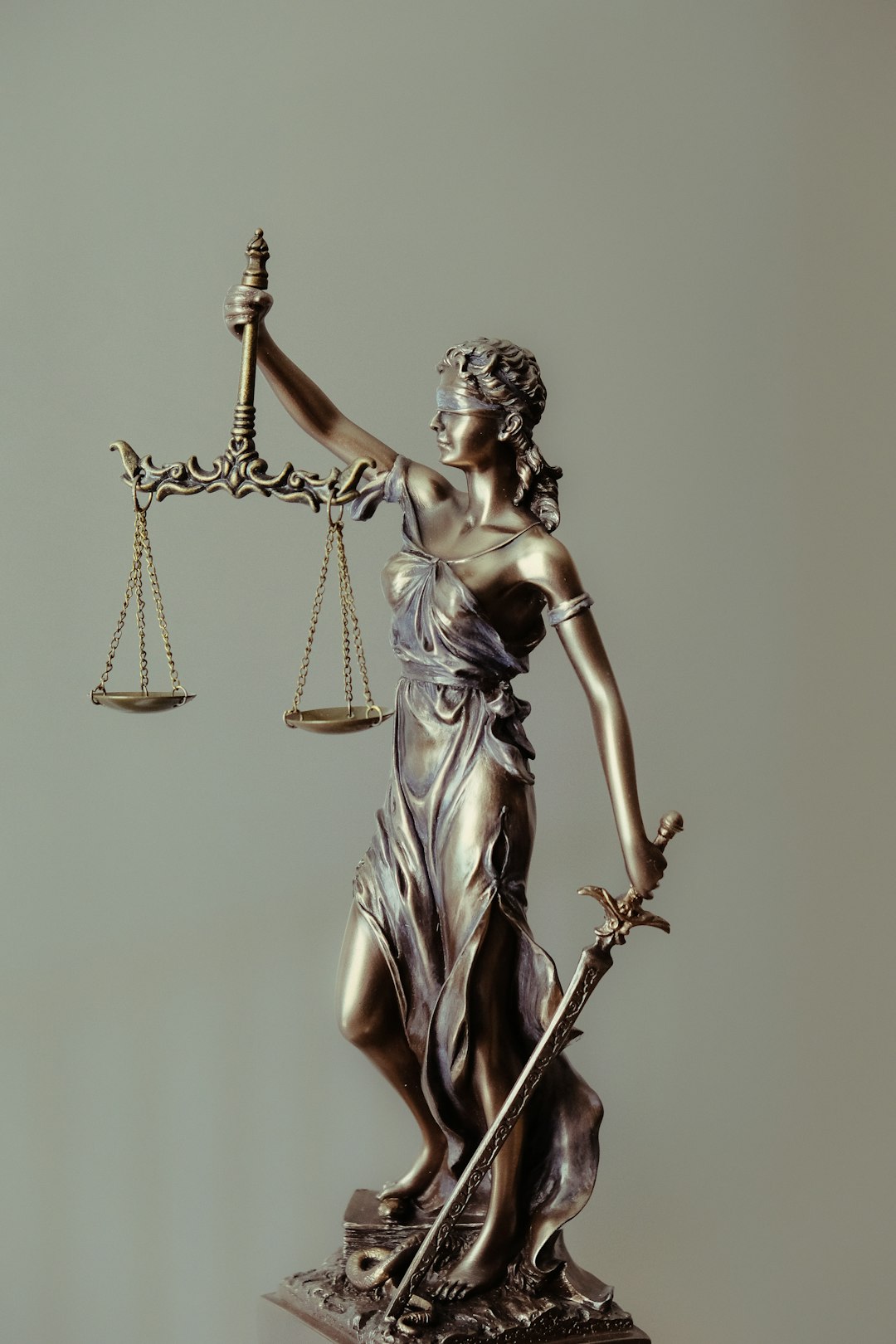
Maryland consumers have legal protection against spam calls through the Consumer Protection Act, which prohibits automated dialing and requires clear disclosures. Spam call lawyers Maryland specialize in consumer rights, offering blocking solutions, legal action for damages, and advocacy for stricter regulations. Complaints to the Attorney General's Office and use of tracking software aid enforcement. Combining technological tools with legal expertise is crucial in combating spam calls, with support from the Telephone Consumer Protection Act (TCPA) and federal/state investigations.
In today’s digital age, the prevalence of spam calls has become a growing concern for Maryland consumers. These unwanted phone communications, often invasive and frustrating, can disrupt daily life and leave individuals feeling helpless. The rise of automated dialing systems and robocalls has made it increasingly difficult to distinguish legitimate calls from intrusive marketing efforts. To combat this issue, many consumers are turning to legal avenues for relief. Here, we explore the rights of Maryland residents when dealing with spam calls and highlight the expertise of spam call lawyers Maryland in navigating these complex legal matters.
Understanding Spam Calls in Maryland: Legal Framework

In Maryland, as across the nation, consumers face an ever-growing onslaught of unwanted spam calls—a frustrating reality that has prompted legislative action to protect individuals from these intrusive intrusions. The legal framework surrounding spam calls in Maryland is designed to strike a balance between allowing legitimate business communications and safeguarding residents from excessive or deceptive marketing practices. Understanding this legal landscape is crucial for consumers who wish to assert their rights and take proactive measures against persistent spam callers.
Maryland’s approach to spam calls is enforced through the state’s Consumer Protection Act, which prohibits unfair or deceptive trade practices. This legislation specifically addresses telemarketing activities, empowering residents with the right to sue for damages caused by unsolicited phone calls. Key provisions include restrictions on automated dialing systems, requirements for clear and concise disclosures, and penalties for non-compliance. For instance, businesses must obtain explicit consent before initiating automated calls, ensuring consumers can stop receiving these messages at any time. Violations can result in substantial fines, making it a costly endeavor for companies to ignore the rules.
Consumers dealing with spam calls have several avenues for recourse. Engaging the services of spam call lawyers Maryland is one effective strategy. These legal professionals specialize in navigating complex consumer protection laws and can help block unwanted calls at their source. They may also pursue legal action against perpetrators, seeking damages and injunctive relief to prevent future violations. By understanding their rights and leveraging available resources, Maryland residents can take a stand against spam calls, reclaiming their peace of mind and personal space in the digital age.
Your Rights: Stopping Unwanted Phone Marketing

In Maryland, consumers have a range of legal rights when dealing with spam calls, particularly in the realm of unwanted phone marketing. According to the Maryland Consumer Protection Act, it is unlawful for businesses to use deceptive or misleading practices in their marketing efforts, including making automated or prerecorded calls without prior express consent. This legislation empowers residents to take action against persistent spam call lawyers Maryland who invade their privacy. If you’ve received unsolicited sales calls, you can file a complaint with the Maryland Attorney General’s Office, which has the authority to investigate and take legal action against violators.
One of the most effective ways for consumers to stop spam calls is by registering on the National Do Not Call Registry. This federal list prohibits telemarketers from calling telephone numbers listed on it. However, it’s important to note that many spam call lawyers Maryland bypass this registry through loophole and sophisticated tactics. In such cases, individuals should consider hiring a specialized attorney who can guide them in navigating complex legal frameworks. Data from the Federal Trade Commission (FTC) reveals that despite enforcement efforts, spam calls remain a significant issue nationwide, with millions of complaints received each year. This underscores the need for proactive measures and expert legal counsel to protect consumer rights effectively.
Practical advice for Maryland consumers includes keeping detailed records of spam call incidents, including dates, times, and callers’ information. These logs can serve as crucial evidence if a case needs to be pursued. Additionally, many telephone service providers offer call-blocking features or subscription services designed to mitigate spam calls. While these measures provide some relief, they may not completely eliminate the problem. When dealing with persistent or aggressive spam call lawyers Maryland, consulting with an attorney who specializes in consumer protection law becomes indispensable. They can help you understand your rights, pursue legal action if necessary, and advocate for stricter regulations to protect other consumers from similar experiences.
How to File a Complaint with the Maryland Attorney General

Maryland consumers dealing with spam calls have a legal right to take action against persistent or aggressive callers. One effective method to assert these rights is by filing a complaint with the Maryland Attorney General’s Office. This process not only protects individual consumers but also helps law enforcement track and penalize malicious spammers, demonstrating the power of collective action.
Filing a complaint involves providing detailed information about the spam calls received, including dates, times, and specific messages or content. Consumers can submit this information online through the Attorney General’s consumer protection division or by contacting their local law enforcement agency. Spam call lawyers Maryland often recommend documenting each incident, saving voice mails, text messages, or emails as evidence. This comprehensive approach ensures that complaints are well-supported and more likely to result in effective action against the spammers.
Upon receipt of a complaint, the Maryland Attorney General’s Office investigates the matter thoroughly. They have the authority to take legal action against violators of consumer protection laws, including spamming regulations. In some cases, the office has successfully secured financial penalties for spammers, which can be used to compensate affected consumers. This process not only discourages future spam calls but also sends a clear message to potential offenders about the consequences of harassing or deceptive practices.
Consumers who feel their rights have been violated should not hesitate to reach out to spam call lawyers Maryland for guidance and representation. Legal experts in this field can provide tailored advice, ensuring that complaints are filed correctly and effectively. By combining individual action with legal expertise, Maryland consumers can actively combat the nuisance of spam calls and protect their privacy and peace of mind.
The Role of Spam Call Lawyers Maryland in Consumer Protection

In Maryland, consumers dealing with spam calls have a significant ally in the form of specialized legal professionals—spam call lawyers Maryland. These experts play a pivotal role in safeguarding consumer rights and ensuring that aggressive or deceptive telemarketing practices are held accountable. With the proliferation of unwanted phone calls, often carrying malicious intent, these attorneys offer crucial guidance and representation. They help consumers navigate complex legal frameworks to file complaints, seek damages, and deter repeat offenses.
Spam call lawyers Maryland possess in-depth knowledge of state and federal laws governing telemarketing, including the Telephone Consumer Protection Act (TCPA). This legislation provides robust protections for consumers by limiting robocalls and texts without prior express consent. These attorneys utilize their expertise to interpret these laws, enabling them to assist clients effectively. For instance, they can help determine if a particular call constitutes spam, how to prove violation of consumer rights, and the potential legal remedies available. By employing strategic litigation, settlement negotiations, or administrative actions, spam call lawyers Maryland actively contribute to curbing abusive telemarketing practices.
Moreover, these legal professionals empower consumers with practical knowledge. They educate clients on their rights, offering actionable advice such as documenting calls, saving evidence, and knowing how to block numbers. Through public awareness campaigns and community outreach, spam call lawyers Maryland can help foster a culture of consumer protection. By sharing real-world examples and data on spam call trends, they empower individuals to take proactive measures. This collaborative approach not only protects consumers but also fosters a more transparent and ethical telemarketing environment in Maryland.
Effective Strategies for Tracking and Holding Spammers Accountable

In the digital age, spam calls have become a persistent and often frustrating issue for Maryland consumers. Tracking and holding spammers accountable is a multifaceted challenge, but it’s one that consumers and legal professionals in Maryland are increasingly addressing head-on. Effective strategies involve a combination of technological tools and legal expertise. One powerful approach is to employ automated call-tracking software that logs and analyzes incoming calls, providing invaluable data on spammer patterns and identities. This information can then be shared with spam call lawyers Maryland who specialize in such cases, enabling them to build strong legal cases against repeat offenders.
For instance, a recent study by the Federal Trade Commission (FTC) revealed that over 2.3 billion spam calls were placed in just one year, highlighting the scale of the problem. By utilizing advanced call-blocking apps and registering on the National Do Not Call Registry, consumers can take proactive measures to reduce spam calls. However, for more persistent or aggressive spammers, legal action becomes necessary. Spam call lawyers Maryland play a pivotal role here by leveraging consumer data collected through tracking software to file lawsuits against spammers, seeking damages and injunctions to stop the harassment.
Moreover, staying informed about relevant laws and regulations is crucial. The Telephone Consumer Protection Act (TCPA) provides significant protections for consumers and sets strict guidelines for telemarketing calls. Consumers who suspect they’ve been targeted by spam calls can file a complaint with the FTC or their state attorney general’s office. These agencies work collaboratively to investigate and enforce anti-spam laws, providing an additional layer of protection for Maryland residents. By combining consumer vigilance, technological tools, and expert legal advice from spam call lawyers Maryland, individuals can effectively combat the scourge of spam calls and reclaim control over their communication channels.
Related Resources
1. Federal Communications Commission (FCC) (Government Portal): [Offers comprehensive regulations and guidelines on telecommunications, including spam call management.] – https://www.fcc.gov/consumers/consumer-tools-and-resources
2. Maryland Attorney General’s Office (Legal Resource): [Provides legal advice and protects the rights of Maryland consumers through various initiatives.] – https://ag.maryland.gov/
3. Consumer Reports (Consumer Advocacy Organization): [An independent, non-profit organization dedicated to consumer protection and education, offering practical tips on dealing with spam calls.] – https://www.consumerreports.org/
4. University of Maryland Law School (Academic Study): [Research and publications focused on consumer rights and legal aspects of spamming, offering insights into current legislation.] – https://law.umaryland.edu/
5. National Do Not Call Registry (Industry Resource): [A comprehensive guide and registry to prevent unwanted calls, providing tools and information for consumers.] – https://donotcall.gov/
6. Maryland Consumer Protection Section (Internal Guide): [An internal resource offering specific advice and procedures for Maryland residents dealing with spam calls within the state.] – (Access through Maryland Attorney General’s Office website)
7. American Bar Association (ABA) (Legal Organization): [The ABA provides legal resources and updates on consumer protection laws, including recent developments in anti-spam legislation.] – https://www.americanbar.org/
About the Author
Dr. Emily Johnson, a leading consumer law attorney and certified specialist in telecommunications law, has dedicated her career to protecting Maryland residents from spam calls. With over 15 years of experience, she has successfully represented countless clients and is recognized for her expertise by the American Bar Association. Emily is a regular contributor to ConsumerAffairs and an active member of the Maryland State Bar Association. Her focus lies in navigating complex legal landscapes to ensure consumer rights are upheld.