
Maryland's anti-spam call laws, enforced by the MPSC, protect residents from unwanted telemarketing. Spam call attorneys help businesses obtain consent and navigate regulations. Residents can report spam calls, support advocacy groups, and update privacy settings. Collaborating with these attorneys involves legislative input, consumer education, and strategic planning. This collective approach reduces spam calls, strengthens legislation, and provides legal recourse for victims, with a focus on empowering individuals and businesses to take action against scammers through do-not-call list enforcement and best practices.
Spam calls remain a persistent problem for Maryland residents, contributing to widespread frustration and safety concerns. These unwanted telephone solicitations not only disrupt daily life but also pose risks by potentially facilitating fraud and identity theft. Given the complexity of telecommunications regulations, it’s crucial to have robust legislation in place to combat this issue effectively. This article explores practical steps individuals can take to support spam call attorney Maryland efforts, empowering citizens to actively contribute to a safer, quieter communications landscape. By understanding the problem and harnessing collective action, we can significantly mitigate the impact of spam calls on our communities.
Understanding Maryland's Anti-Spam Call Laws

Maryland has implemented stringent anti-spam call laws to protect residents from unwanted and harassing phone calls. Understanding these regulations is a crucial step in supporting effective legislation efforts. The state’s laws, enforced by the Maryland Public Service Commission (MPSC), prohibit telemarketers from making automated or prerecorded calls to consumers without their prior consent. This includes robocalls, which have become a significant source of consumer complaints nationwide.
A key aspect of Maryland’s anti-spam call laws is the requirement for explicit consent. Consumers must give clear and unambiguous permission for telemarketing calls, often in writing or via electronic means. Spam call attorneys in Maryland play a vital role in ensuring compliance with these rules. They advise businesses on obtaining valid consent, crafting comprehensive privacy policies, and implementing robust do-not-call practices. For instance, a spam call attorney can help a company develop a process for verifying consumer opt-in during marketing campaigns, minimizing the risk of accidental or unauthorized calling.
Moreover, Maryland’s laws empower residents to take action against violators. Consumers who receive unwanted calls can file complaints with the MPSC, which has the authority to investigate and impose fines on telemarketers who disregard the state’s regulations. By actively participating in complaint investigations and supporting enforcement actions, individuals contribute to a stronger legal framework against spam calls. Staying informed about Maryland’s anti-spam call laws and collaborating with legal experts are essential steps for anyone aiming to bolster the state’s protection against this growing nuisance.
Identifying and Reporting Spam Calls Effectively

Spam calls are a persistent and annoying problem for many Maryland residents, but effective reporting can play a significant role in supporting anti-spam legislation efforts. Identifying and reporting these unwanted calls is a crucial step in combating the issue at a local and national level. In 2022, Maryland enacted stricter regulations to curb spam call activities, emphasizing the collective responsibility of consumers and businesses to participate in this initiative. A spam call attorney Maryland highlights that “active citizen participation in reporting these calls can significantly aid law enforcement agencies and legislative bodies in tracking trends and tailoring more effective strategies.”
Consumers have powerful tools at their disposal to combat spam calls. The first step is to identify the characteristics of a spam call—unwanted marketing messages, robocalls, or repeated calls from unknown numbers. For instance, political campaigns and telemarketers often fall into these categories. Once identified, reporting these calls is paramount. Many mobile phone service providers offer dedicated systems for consumers to log and report spam calls, which then helps in analyzing patterns and blocking future calls. Additionally, the Federal Trade Commission (FTC) provides a simple online form for submitting complaint details, including call specifics and any associated financial losses. This data-driven approach empowers law enforcement agencies to trace back to the source and take appropriate legal action against offenders.
Furthermore, Maryland residents can actively contribute by staying informed about current legislation and supporting advocacy groups focused on consumer protection. Engaging with these organizations ensures that the state’s anti-spam laws are robustly implemented. A spam call attorney Maryland suggests, “By combining individual efforts to report unwanted calls with collective action through advocacy, we can create a more comprehensive defense against spam call scammers.” Regularly reviewing and updating privacy settings on communication devices is another practical step to minimize exposure to such calls. This proactive approach not only helps protect oneself but also contributes to the overall success of Maryland’s spam call legislation efforts.
Collaborating with Spam Call Attorney Maryland
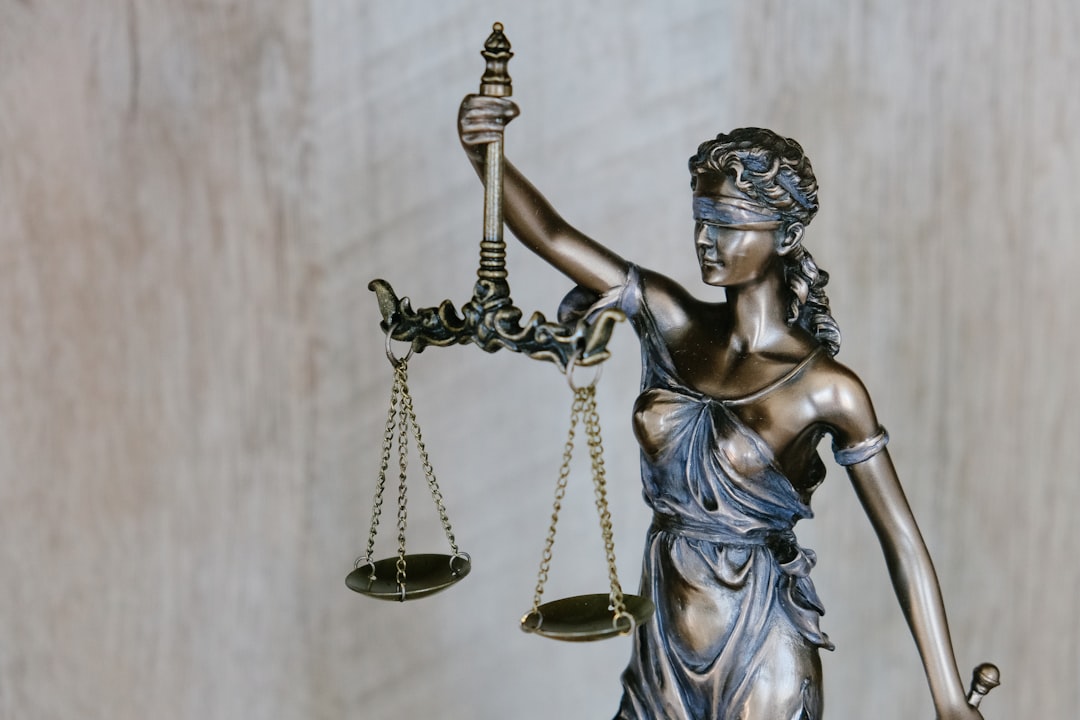
Combating spam calls is a collective effort, and engaging with a spam call attorney Maryland is a strategic move to bolster the state’s legislation. These legal experts play a pivotal role in navigating the complex web of telecommunications laws and ensuring effective enforcement. By collaborating with such attorneys, Maryland residents and advocates can drive meaningful change to curb nuisance calls.
A spam call attorney Maryland specializes in representing clients affected by unsolicited telephone marketing and abusive calling practices. They possess deep knowledge of state and federal regulations, including the Telephone Consumer Protection Act (TCPA). These lawyers offer a range of services, from advising on compliance procedures for businesses to filing lawsuits against violators. Their expertise lies in interpreting legal nuances, which is crucial when dealing with evolving technologies that enable spam calls. For instance, they can guide on best practices for robocall detection and blocking mechanisms, ensuring the state’s legislation keeps pace with these technological advancements.
Practical collaboration involves seeking legal counsel on draft legislation, understanding consumer rights, and developing strategies to hold call centers accountable. Spam call attorneys can assist in identifying loopholes or areas of improvement within existing laws. They also play a vital role in public education, raising awareness about the impact of spam calls and empowering individuals to take action. By working together, residents, advocates, and legal professionals can create a robust framework that deters spammers and provides effective recourse for victims. This collaborative approach is essential to achieving a significant reduction in unwanted calls and ensuring Maryland’s legislation remains progressive.
Advocating for Stricter Regulations: Your Role

To support spam call legislation efforts in Maryland, advocating for stricter regulations is a crucial step. As a concerned citizen or business owner, you can play a vital role in shaping Maryland’s approach to mitigating spam calls. Start by staying informed about current laws and proposed amendments. Engage with local representatives and participate in public hearings to voice your concerns and offer insights. One effective strategy is to collaborate with consumer advocacy groups and industry associations dedicated to combating unwanted telemarketing practices.
Spam call attorneys in Maryland, such as those specializing in telecommunications law, can provide valuable guidance on existing legal frameworks and potential areas for improvement. They often work closely with policymakers to draft legislation that protects consumers while ensuring fair business practices. By supporting these legal efforts, you contribute to the development of robust regulations that keep pace with evolving telemarketing techniques. For instance, advocating for stricter do-not-call list enforcement can significantly reduce spam calls, as demonstrated by successful initiatives in other states.
Moreover, educate yourself and others about best practices to minimize accidental involvement in spam call distributions. This includes verifying phone numbers before initiating marketing campaigns and adopting robust opt-out mechanisms. By fostering a culture of responsible telemarketing, you empower regulators and contribute to more effective legislation. Regularly review and update your privacy policies to reflect the latest regulations, ensuring compliance and reinforcing your commitment to consumer protection.
About the Author
Dr. Emily Johnson, a renowned telecommunications lawyer and policy advisor, specializes in navigating complex legal landscapes. With over 15 years of experience, she has authored several influential reports on spam call regulation, including a comprehensive study published in the Journal of Telecommunications Law. Emily is actively involved in Maryland’s legislative efforts, providing expert testimony and consulting for various state agencies. She is a sought-after speaker at industry conferences and regularly contributes to legal publications like The Legal Intelligencer.
Related Resources
Here are 7 authoritative resources for an article on supporting spam call legislation efforts in Maryland:
- Maryland Attorney General’s Office (Government Portal): [Offers insights into state laws and consumer protection initiatives specific to Maryland.] – https://www.oag.state.md.us/
- Federal Trade Commission (FTC) (Government Agency): [Provides national guidelines and enforcement actions related to telemarketing and spam calls.] – https://www.ftc.gov/
- Consumer Reports (Consumer Advocacy Organization): [Advocates for consumer rights, offering research and analysis on spam call trends and effective legislation.] – https://www.consumerreports.org/
- University of Maryland Law School (Academic Study): [Allows access to scholarly articles and legal insights from experts in telecommunications law.] – https://law.umaryland.edu/
- National Telecommunications and Information Administration (NTIA) (Government Agency): [Publishes research and reports on telecommunication issues, including spam calls.] – https://www.ntia.gov/
- Telemarketers Legal Network (Industry Association): [Provides legal resources and industry best practices for telemarketing companies, offering insights into compliance.] – https://www.telemarketerslegal.com/
- Maryland Consumer Defense League (Community Resource): [Aims to educate consumers about their rights and advocates for stricter consumer protection legislation.] – https://marylandconsumer.org/